
Local buyer fit
- Homeowners ready to discuss battery count and backup priorities
- Projects where solar, storage, or EV loads affect the design
- Buyers who need service coverage confirmed before pricing
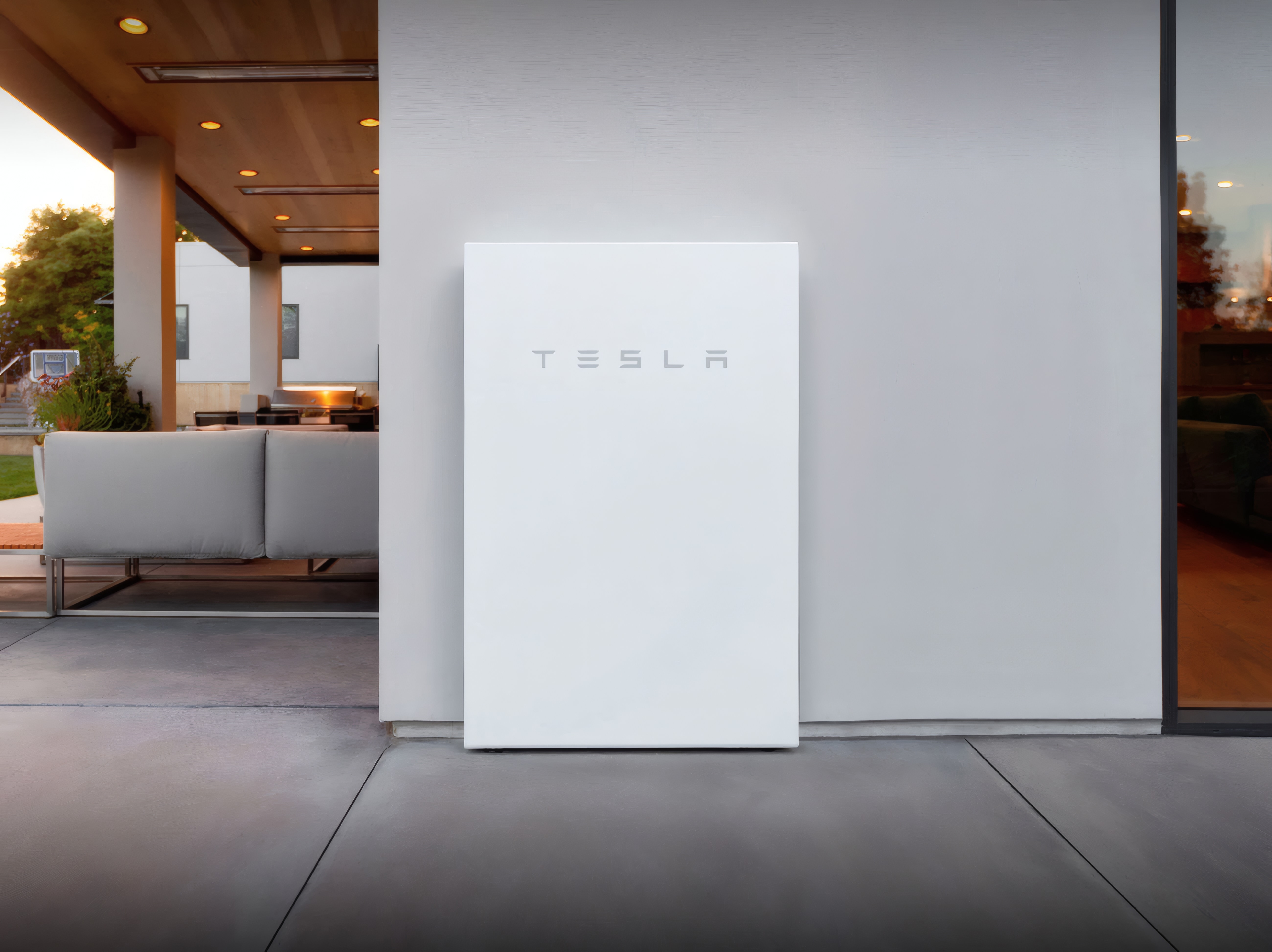
Compare Powerwall 3 Multi-Battery Planning for Utah homeowners, including local service coverage, electrical scope, battery fit, and quote timing.
Utah projects usually start with outage priorities, existing solar status, and local utility fit before pricing makes sense. A larger-home planning path for broader backup coverage, heavier loads, and expansion decisions.
Most Utah projects need an early look at Rocky Mountain Power rules, local permitting, panel capacity, and whether the home already has solar installed.
This page connects the product path to Utah service coverage, so homeowners can compare installers, quote timing, and project scope without losing local context.
The review should match battery capacity to critical loads, solar production, outage goals, and any EV charging requirements.
Before final pricing, confirm site conditions, utility rules, and whether extra electrical work belongs in the same scope.
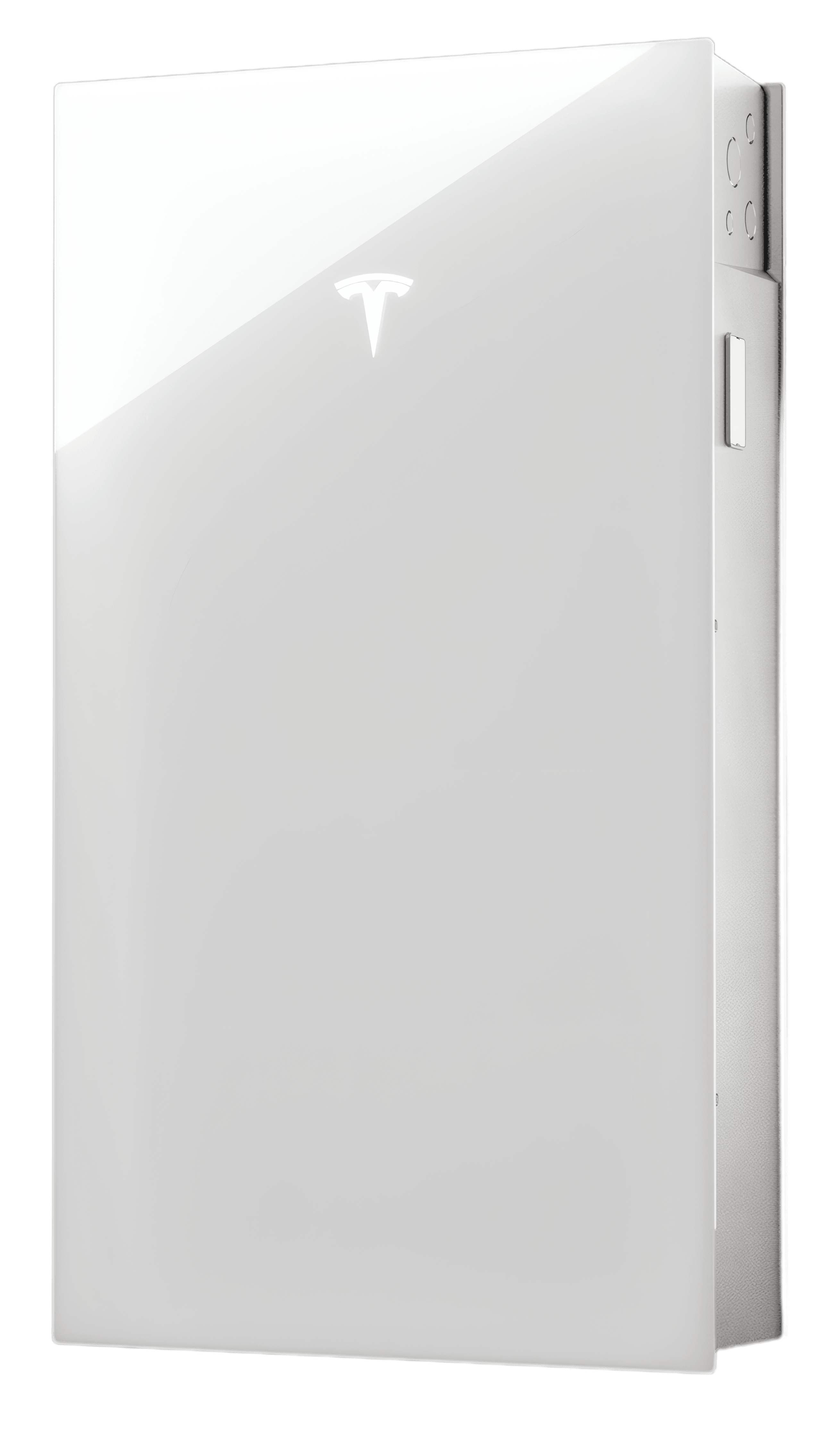 Home Backup
Powerwall 3 planning for outage protection, everyday storage, and a clear path into exact pricing.
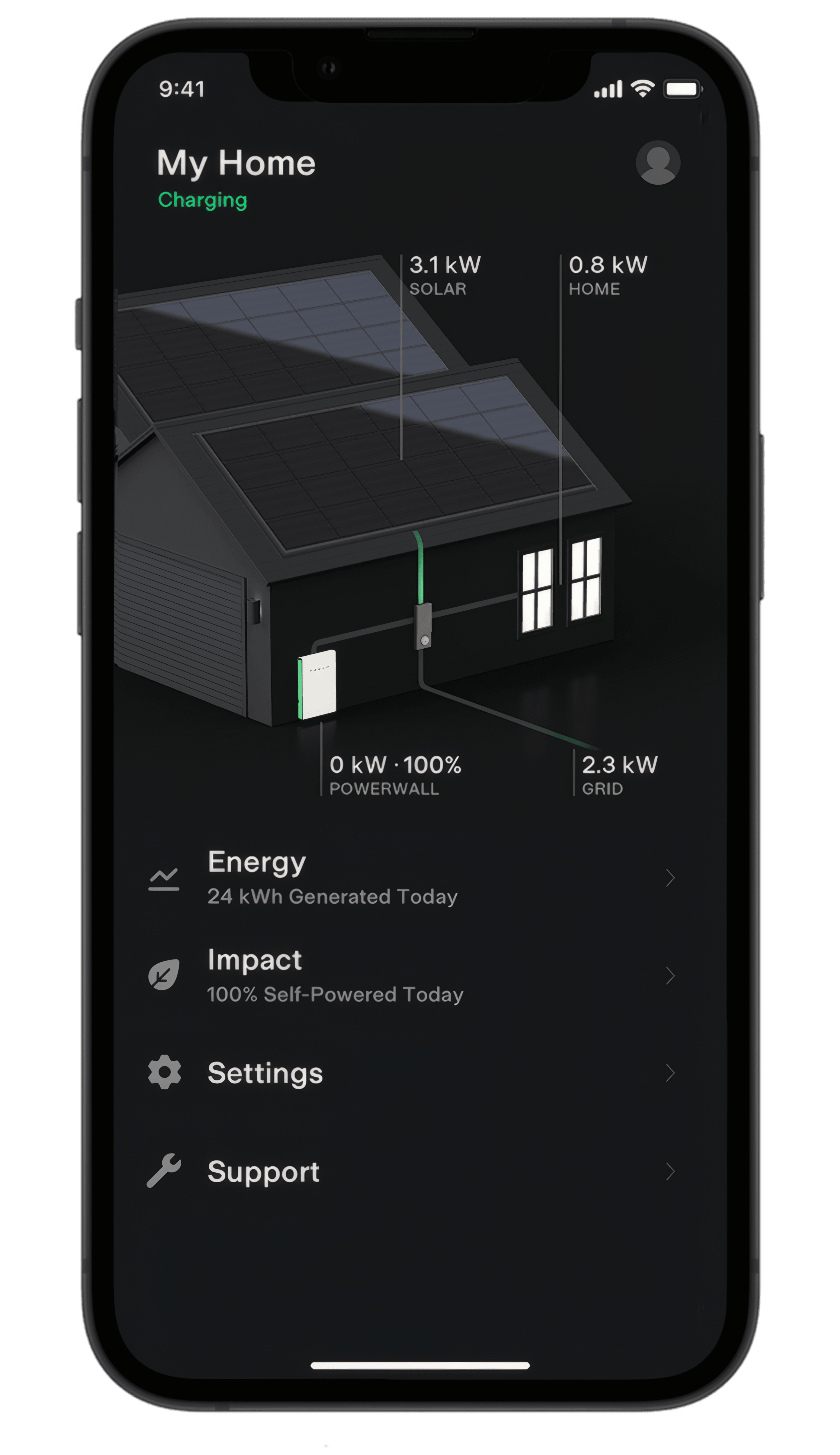 EV-Ready
Electrical planning that keeps EV charging, battery reserve, and panel capacity in one design conversation.
PWRHUBUSA serves Utah and Arizona homeowners. A project review confirms service coverage, utility fit, electrical scope, and installation timing for the address.
Utah homeowners often compare battery backup around winter storm outages, summer peak demand, solar net-billing changes, and the electrical work needed for EV charging. The right design depends on battery count, backup loads, existing solar, and whether EV-ready electrical work is part of the same project.
Bring the utility name, ZIP code, existing solar details, major electrical loads, EV charging plans, and the rooms or appliances that need backup power before requesting a Utah quote.