
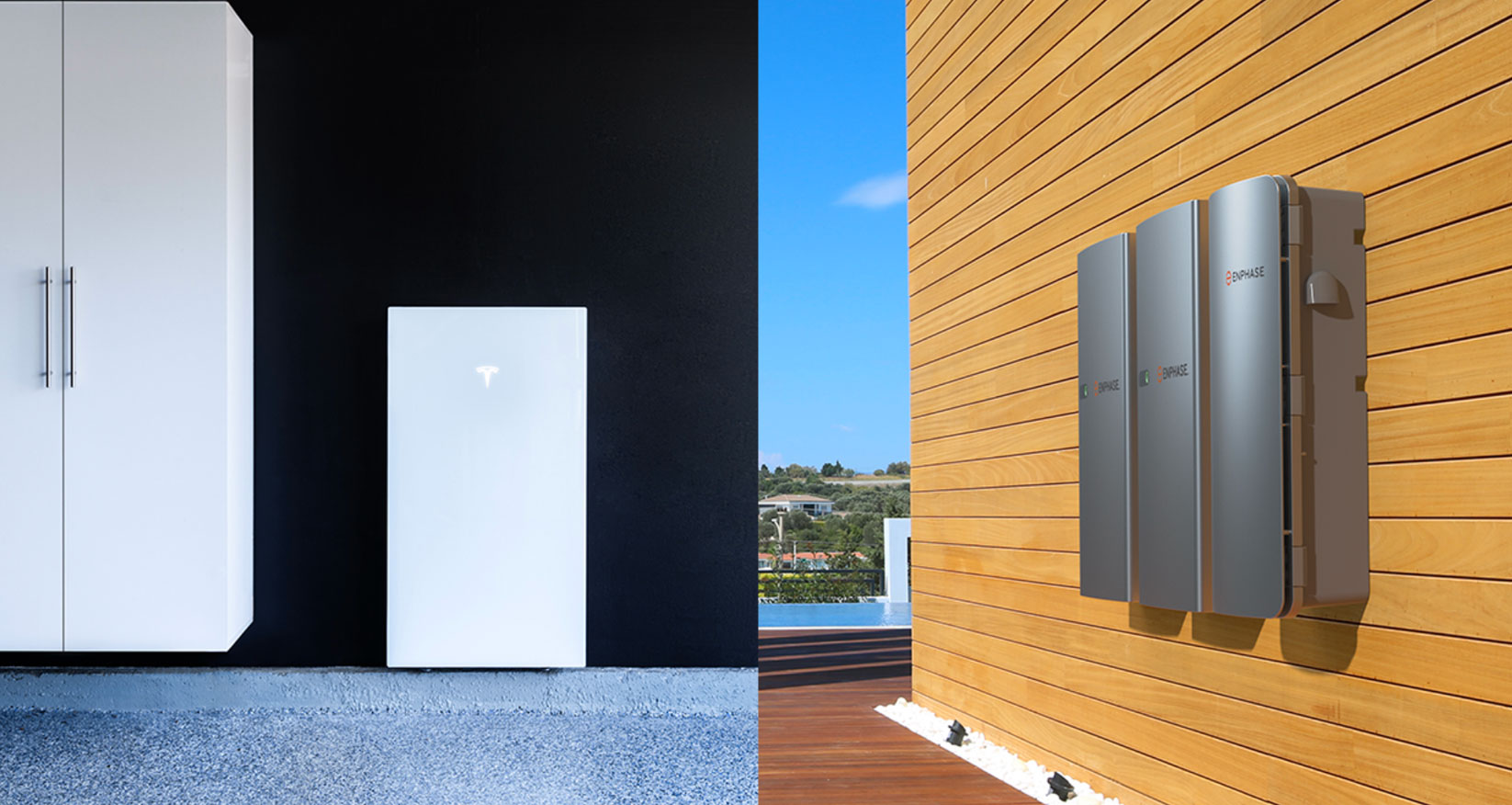
Cost breakdowns, sizing logic, competitor comparisons, runtime data, solar pairing, and EV planning — everything a homeowner needs before requesting a quote.
These guides answer the questions most homeowners ask first. Read them before comparing installers or requesting a quote.
The full decision framework for homeowners evaluating Powerwall 3 — cost, sizing, solar fit, backup scope, and what to ask your installer.
Read the guide → CostInstalled cost ranges, what drives the price up or down, federal tax credit eligibility, and how to read a quote accurately.
Read the guide → ComparisonSide-by-side comparison of Powerwall 3 against Enphase IQ Battery, Franklin Electric, SolarEdge Home Battery, and other leading home battery systems.
Read the guide →Sizing, mounting, electrical requirements, and what the installation process looks like from planning to commissioning.
What the installation process includes — site assessment, electrical work, permitting, interconnection, and commissioning. What to expect and what to ask your installer.
Read the guide → SpecsOfficial spec breakdown: usable capacity, peak power output, continuous power, dimensions, weight, operating temperature, and warranty terms.
Read the guide → Capacity13.5 kWh usable capacity per unit — how that translates to real runtime, which loads it covers, and how many units a typical Utah or Arizona home needs.
Read the guide →These guides go beyond basic backup — they explain how Powerwall 3 changes how your home uses solar, charges EVs, and manages grid interaction.
Load-by-load runtime estimates — refrigerator, HVAC, lights, EV charger, medical equipment — and how backup reserve settings change the math.
Read the guide → Solar pairingHow Powerwall 3 integrates with existing solar or a new solar array — net metering impact, self-consumption strategy, and utility rate arbitrage in Utah and Arizona.
Read more → EV planningHow to size Powerwall 3 in a home with an EV — reserve management, charging schedule strategy, and panel capacity considerations for EV-ready homes.
Read more →For homeowners who have done their research and want to understand specific details before the planning call.
Cash, loan, and lease options — how financing affects your federal tax credit eligibility and what to verify before signing a financing agreement.
Read the guide → ExpansionAdding more capacity after initial installation — how Expansion Packs work, what stacking does to system output, and when a multi-unit system makes sense.
Read the guide → Choosing an installerWhat Tesla certification means, questions to ask any installer, and red flags to watch for when comparing quotes in Utah and Arizona.
Read the guide →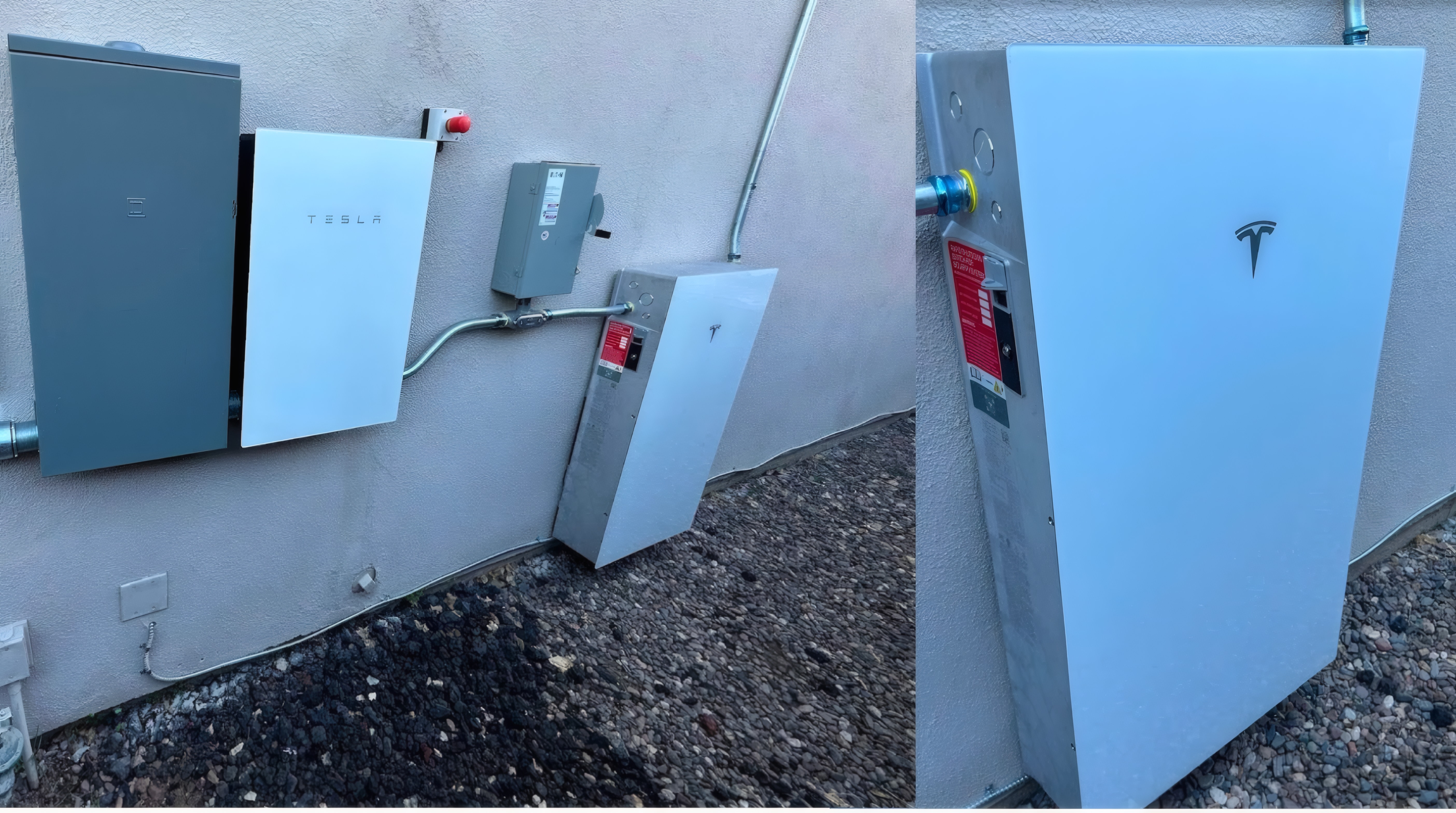
Once you know what you need, a quick call confirms service coverage, battery count, and installation scope for your home.