
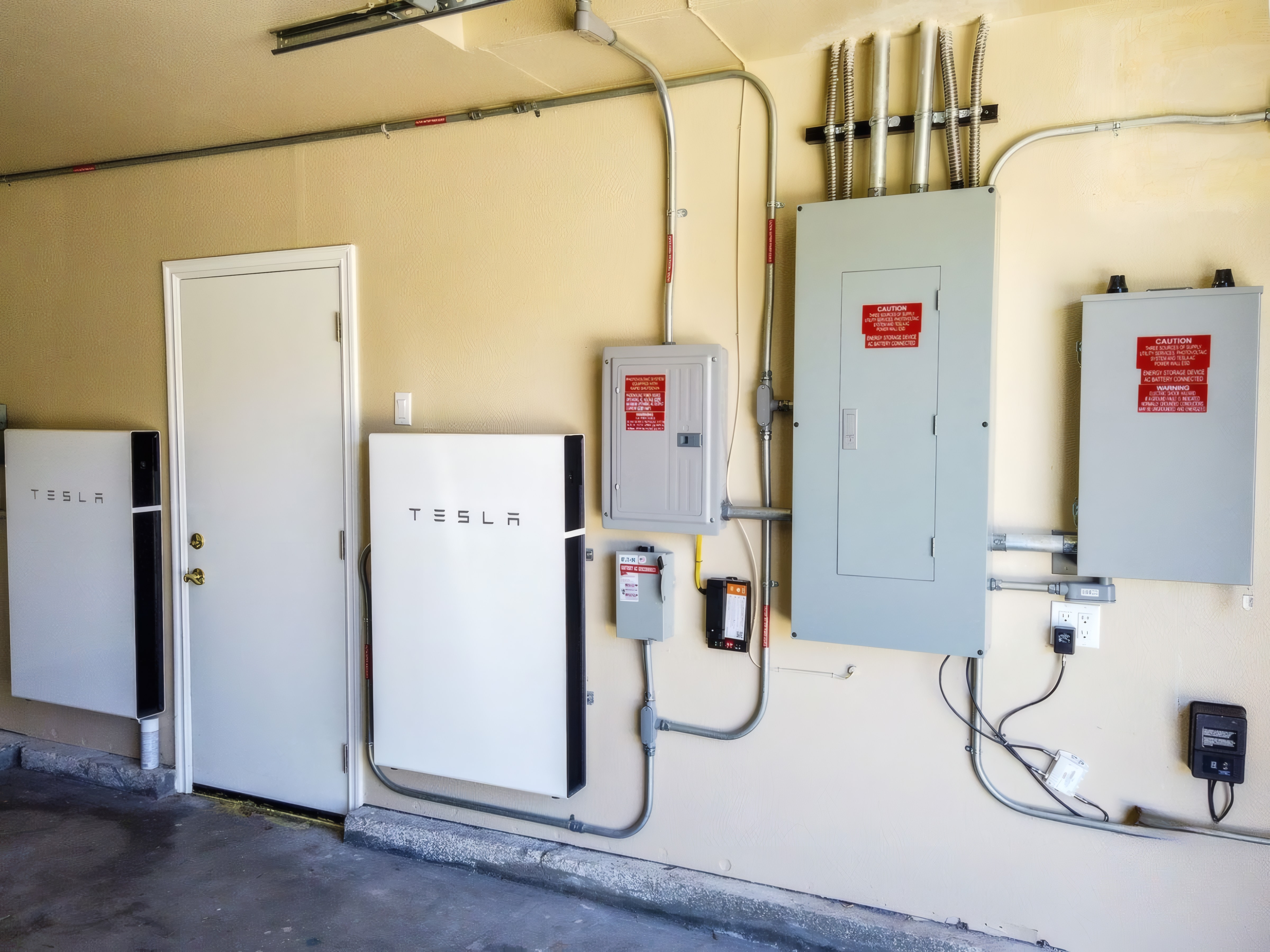
If you want a Powerwall 3 installer, start by confirming live service-area coverage, certification or battery experience, and whether the company can explain backup sizing, solar fit, and electrical scope clearly. For PWRHUBUSA, the active markets are Utah and Arizona.
A better installer conversation starts with backup goals, solar status, larger loads, and current local coverage. Here are the key factors that separate a planning-quality installer from a vague sales path.
Look for real service-area coverage, battery experience, and a quote process that starts with loads, solar status, and electrical scope.
A credential can be a positive signal, but the homeowner still needs to verify design discipline, installation experience, and what the installer actually handles.
For PWRHUBUSA, the active service areas are Utah and Arizona. A local quote path only works if coverage and timing are confirmed first.
The service-area pages make it easier to confirm whether the battery conversation should start in Utah or Arizona before pricing gets specific.
Or call: 855-438-7971
That depends on the market. PWRHUBUSA currently focuses on Utah and Arizona, and homeowners should confirm service-area coverage before treating any installer as a local option.
Look beyond the badge. Ask how they size backup, handle solar integration, review electrical scope, manage installation timing, and support the project after commissioning.
Use a quote call that covers service area, outage goals, solar status, major loads, and timing. That reveals quickly whether the installer is actually planning the right project.