
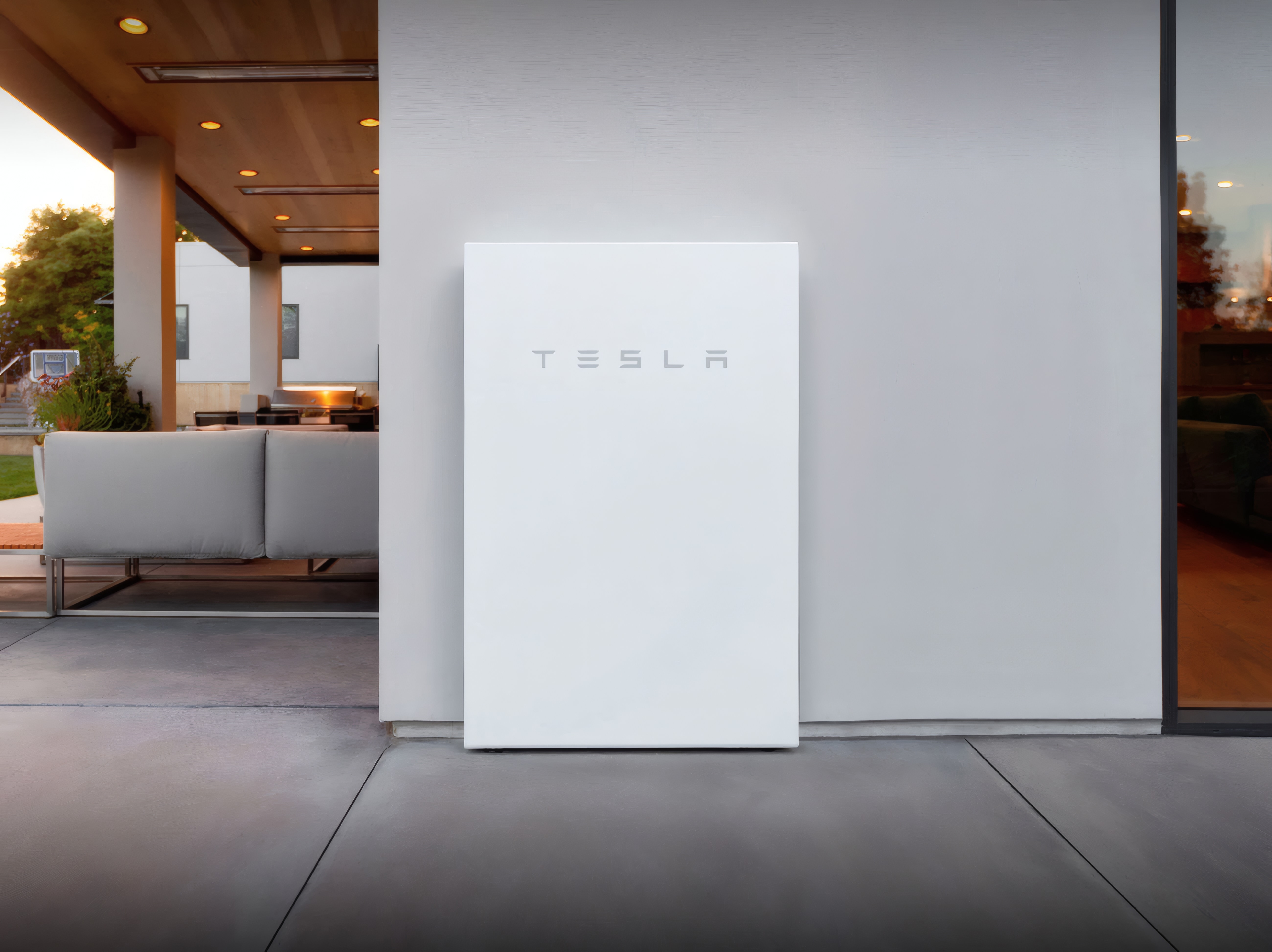
In 2026, the typical installed cost for a single Tesla Powerwall 3 ranges from $11,500 to $16,779 before any current utility or local program adjustments. Do not assume the federal Residential Clean Energy Credit applies to a 2026 project: IRS guidance says the credit is not available for property placed in service after December 31, 2025.
Start with the direct answer: battery count, electrical scope, solar integration, and backup target are the variables that change pricing first.
The first pricing split usually comes from the backup goal. Essential-load backup versus broader comfort coverage require different designs and different quotes.
Battery pricing is not just the hardware. Service equipment, conduit path, wall access, and any electrical cleanup all shape how simple or complicated the installation becomes.
Some homeowners are adding Powerwall 3 to an existing solar setup. Others are planning solar and storage together. The quote range changes because the design path changes.
While every home is different, having a realistic baseline helps you compare options without the guesswork of generic online teaser prices.
For a standard installation, most homeowners see an all-in cost between $11,500 and $16,779 before any current utility or local program adjustments. For 2026 placed-in-service projects, do not subtract the expired federal Residential Clean Energy Credit from this range.
When moving to whole-home backup or adding multiple batteries, the project scope grows to support larger loads like HVAC and EV charging.
IRS guidance says the residential clean energy credit is not available for property placed in service after December 31, 2025. Treat utility programs, local rebates, and tax questions as separate items that must be verified before relying on any net-cost estimate.
Exact numbers get better quickly when the homeowner brings both the load picture and the install picture into the same conversation.
Homeowners need context, not sticker bait. These are the most common pricing traps that make rough numbers feel more useful than they really are.
A teaser number with no load profile and no electrical context does not tell a homeowner whether the battery system actually fits the house.
A low price can look attractive until the homeowner realizes it did not properly account for electrical work, install path, or the actual commissioning process.
Powerwall 3 pricing should be connected to the home, the loads, and the long-term use case. That is what separates a real quote from a loose estimate.
The fastest way to price Tesla Powerwall 3 correctly is a short call that confirms battery scope, electrical complexity, service area, and installation timing.
The biggest cost drivers are the number of batteries needed, whether the home already has solar, how complex the electrical work will be, and how broad the backup goal is.
It can be enough for many homeowners who want essential-load backup, but not for every home. The answer depends on what needs to stay on during an outage and whether HVAC, appliances, or EV charging are part of the target coverage.
Because battery pricing without context is usually misleading. The faster path is a live fit review that confirms backup goals, electrical complexity, service area, and installation timing before final pricing is discussed.
Sometimes it does, but not always in the same direction. Existing equipment, inverter path, interconnection approach, and the condition of the home's electrical setup all matter when a battery is being added later.
No. IRS guidance says the residential clean energy credit is not available for property placed in service after December 31, 2025. A 2026 estimate should not subtract that federal credit unless a qualified tax professional confirms a different rule applies to the homeowner's facts.