
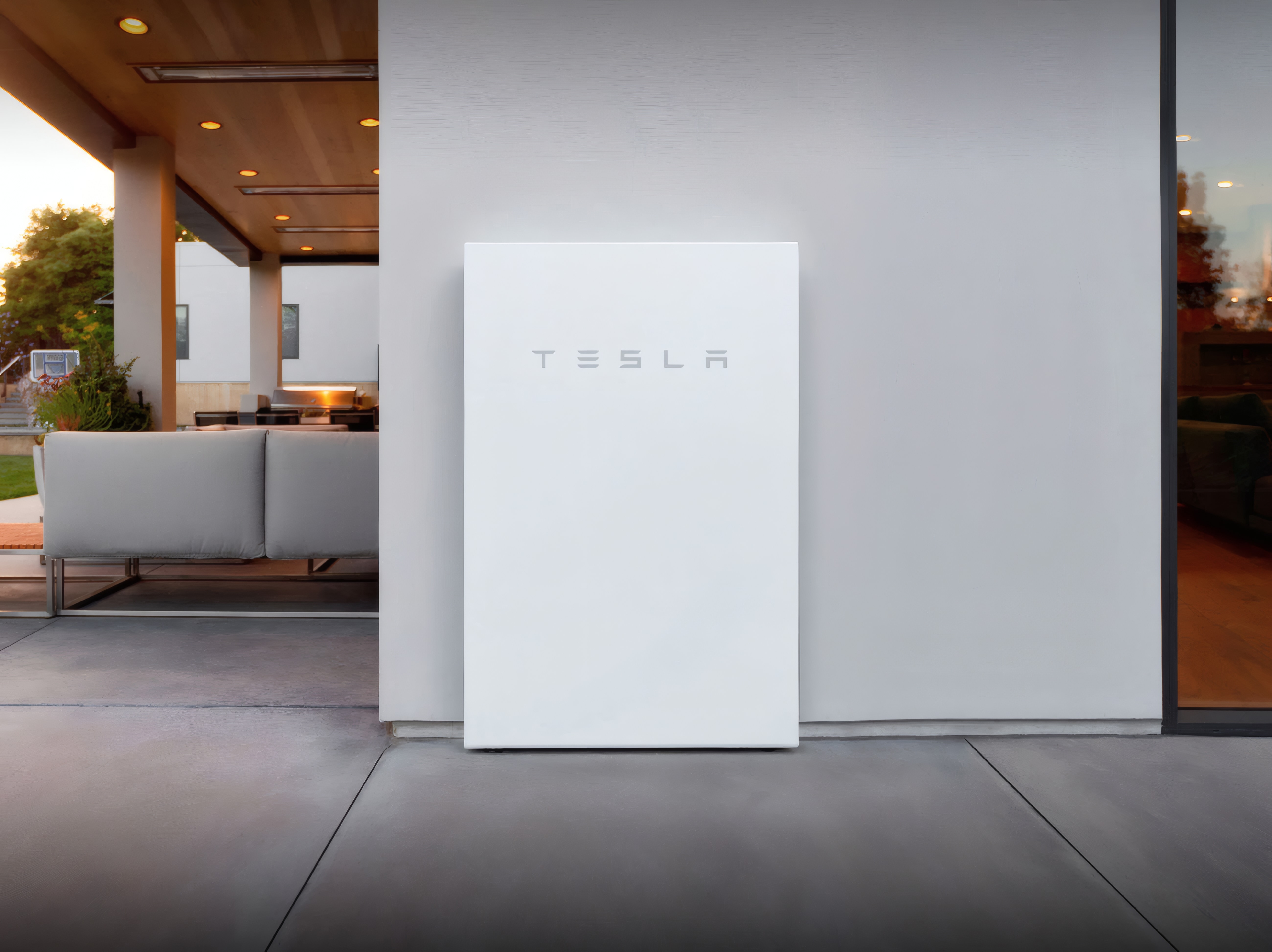
Powerwall 3 features 13.5 kWh of usable energy capacity and a high 11.5 kW continuous power output. For most homeowners, the practical question is how this translates into outage runtime and which loads the home can support. Capacity tells you how much energy is stored; output power tells you how much can be used at once.
Energy capacity is the "fuel tank" of your home battery. In 2026, the Powerwall 3 leads the market by combining a robust 13.5 kWh tank with an industry-leading 11.5 kW continuous output.
That number matters most when it is translated into outage runtime, supported loads, and whether one battery is enough for the home.
Capacity tells you how much energy is stored. Output tells you how much load the battery can support at once during normal operation or an outage.
Refrigeration and lighting behave very differently from HVAC, EV charging, dryers, and other large electrical loads.
One Powerwall 3 is often enough for essential-load backup, but larger homes or heavier energy users often require more capacity to meet their goals.
Best for refrigeration, internet, lighting, and moderate outlet use. Provides excellent resilience for standard outages.
Required for running central AC, electric dryers, or multiple EV charging sessions while maintaining a safety reserve for outages.
For large estates, heavy workshop loads, or homeowners pursuing maximum grid independence and Virtual Power Plant (VPP) participation.
Don't guess on your home's energy needs. We help you map your loads and calculate the exact capacity required to meet your backup and savings goals.
Powerwall 3 has 13.5 kWh of usable energy capacity.
Sometimes, but not automatically. It depends on the home's outage priorities, the loads that stay on, and whether the plan is essential-load backup or broader home coverage.
Because stored energy alone does not decide runtime. Runtime also depends on how much power the home is drawing and how well larger loads are managed during an outage.